
The Rise of Lasers in Woodworking—Yes, Fricken Lasers
For decades, woodworking has been a world defined by steel, timber, sweat, and skill. Hand planes, chisels, saws these tools have shaped our everyday lives. But in recent years, another tool has quietly (and sometimes not so quietly) slipped into the workshop: lasers. Yes, fricken lasers.
What once felt like science fiction is now becoming a genuine staple in modern woodworking shops. And while they’re still “new” compared to chisels or handsaws, lasers have actually been around long enough to earn a legitimate place on the bench. More and more woodworkers, and craftspeople are discovering how these machines can expand creative possibilities far beyond what traditional tools allow.
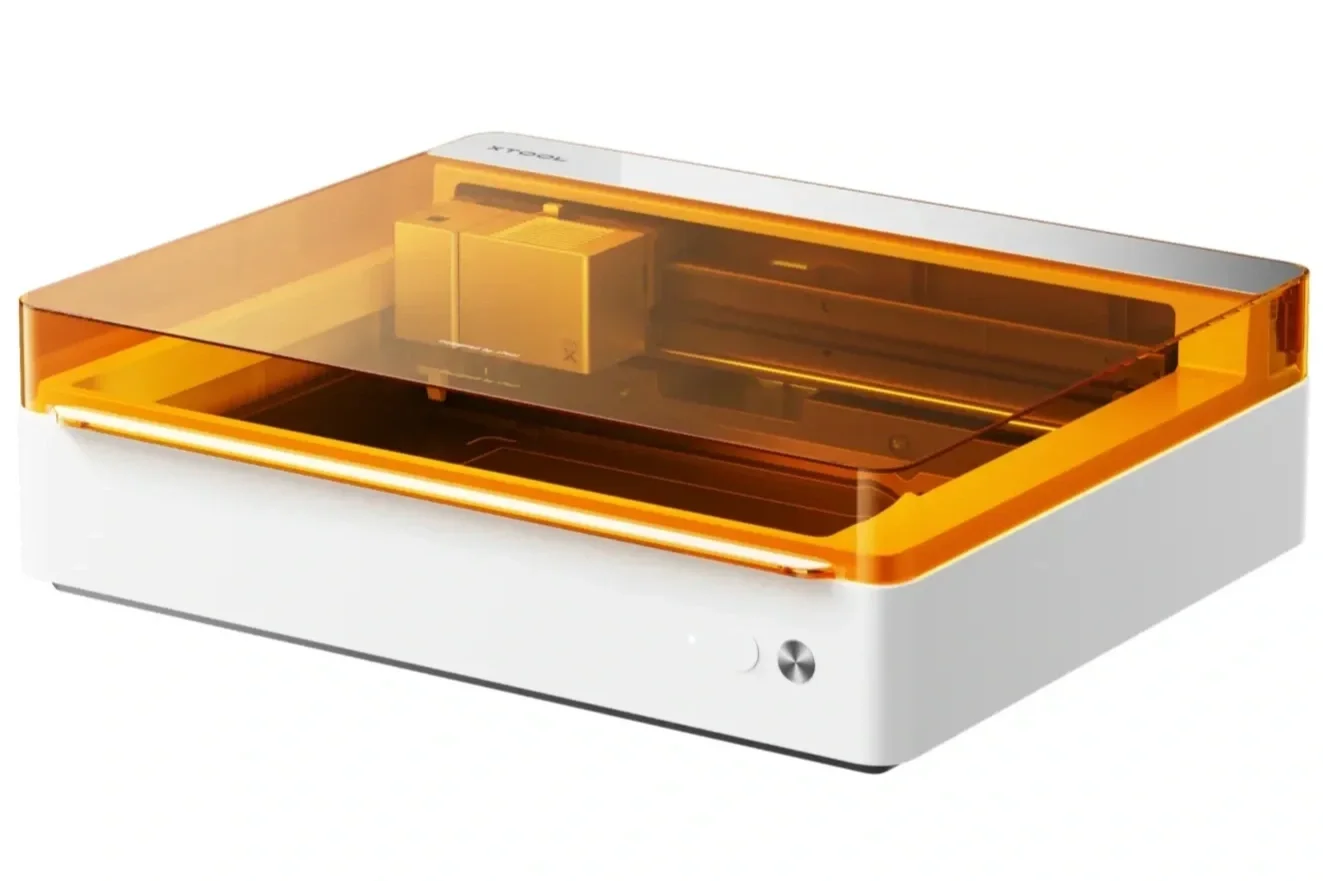
I recently joined the club with the xTool M1, and the experience has been a blend of excitement, frustration, fascination, and smoke! But those late-night breakthrough moments that pull you back into the shed after dinner to try “just one more” design.
It’s slower than a CO₂ laser, and the learning curve is definitely steeper than I expected, but once you push past that early “why won’t this work?” stage, it becomes an incredible addition to the workshop.
Realistically, the M1 cuts up to about 3 mm reliably, and burning can be an issue, abit of masking tape and a quick upgrade to the VEVOR Solder Fume Extractor, (which I bought in December 2025 for around $250 AUD), I’ve dramatically reduced scorch marks and improved the overall cutting quality. Also that stink of smoke is essentially gone.
The real magic of lasers in woodworking is not that they replace traditional tools, trust me they don’t! Instead, they add something, precision cutting, intricate engraving, and endless repeatability. The ability to create shapes and details impossible to do by hand unless you enjoy carving full-time. Want a perfect inlay pattern? A batch of identical ornaments? A custom logo etched into timber? A template for routing? A sheet of plywood sliced into clean, crisp joinery? It’s all suddenly achievable. The more time I spend in the workshop, the more I am realising, creativity is just problem-solving, and its nice to make something that might outlast me.
What surprises many people is how naturally lasers fit into a traditional woodworking workflow. Engrave first, cut later. Or cut parts and finish them by hand. Create jigs, labels, shop fixtures, drawer fronts, templates for marking out joinery, a laser has a role. Instead of replacing craftsmanship, lasers actually support it. They streamline the repetitive parts and open the door to creative design choices you may never have tried before.
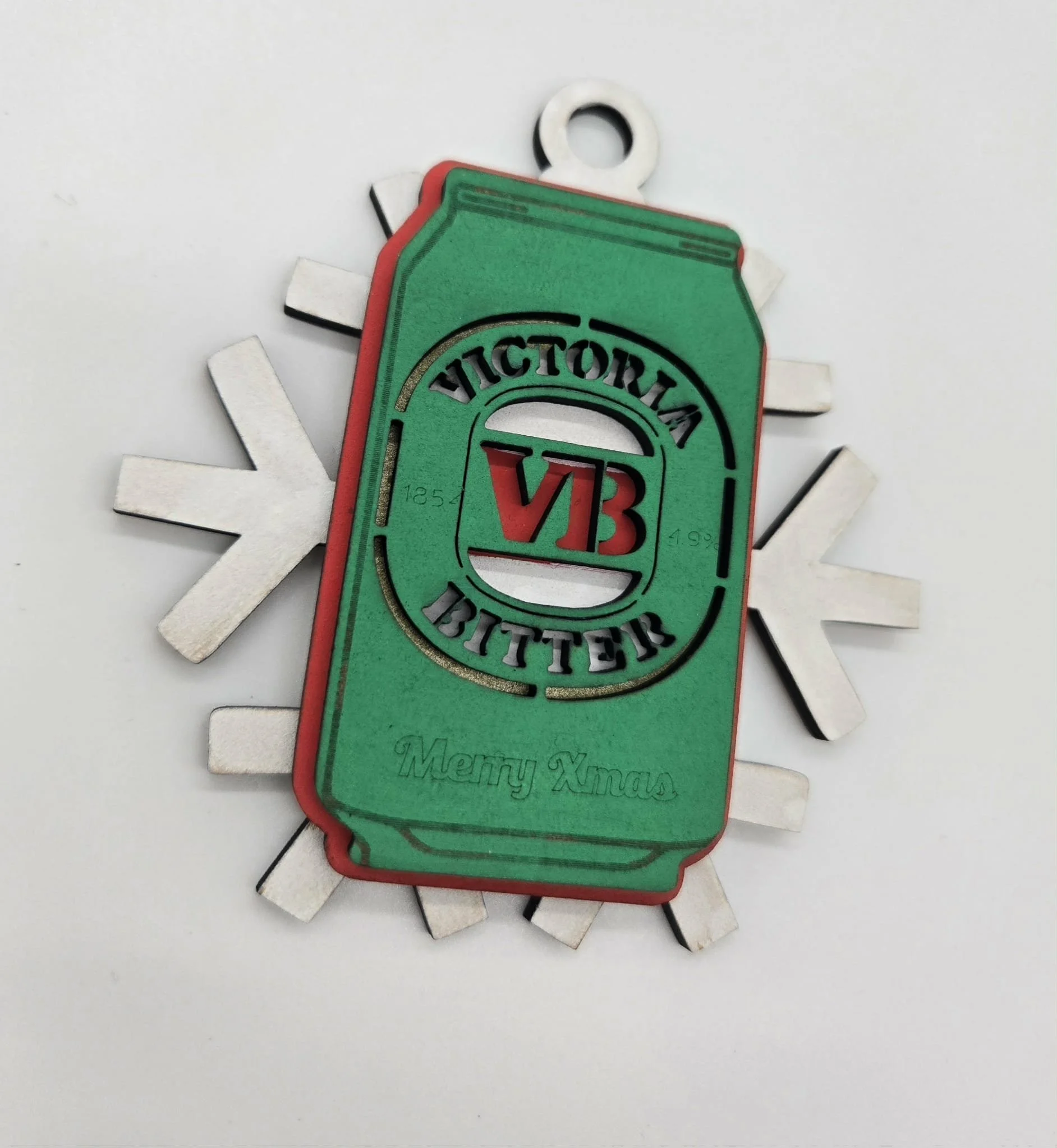
I had a crack at making a Christmas tree decoration, VB for the Tree!
The biggest shift, at least for me, is the excitement of learning something totally new. Starting again as a beginner in a craft where you already feel comfortable. It’s refreshing. Challenging. And addictive. You hit setbacks, you re-run tests, you burn more timber than you want to admit… but when it finally clicks and your design cuts clean for the first time, it’s absolutely worth it.
The woodworking world has always evolved hand tools, then power tools, then CNC machines. Lasers are simply the next chapter. They may be “new” in the shed, but they’re fast becoming a standard for makers who want precision, creativity, and a tool that grows with their skills.
Cost? Look, they are not cheap the basic M1 that I got was an older version, cost on sale $1125.00 AUD (Dec 25’) but can go into the realm of crazy quick, the new xTool P3 is an eye watering $10,000 plus AUD. And yes… they’re fricken lasers. And how can you put a price on that!!
